
Fruit tree pruning in Logan, Utah
RedBud Plant Care does fruit tree pruning in Logan and across Cache Valley in the spring, late in the dormant season and before the buds open. Each cut lets light and air into the tree and leaves branches strong enough to carry a crop, and the prunings leave with us.
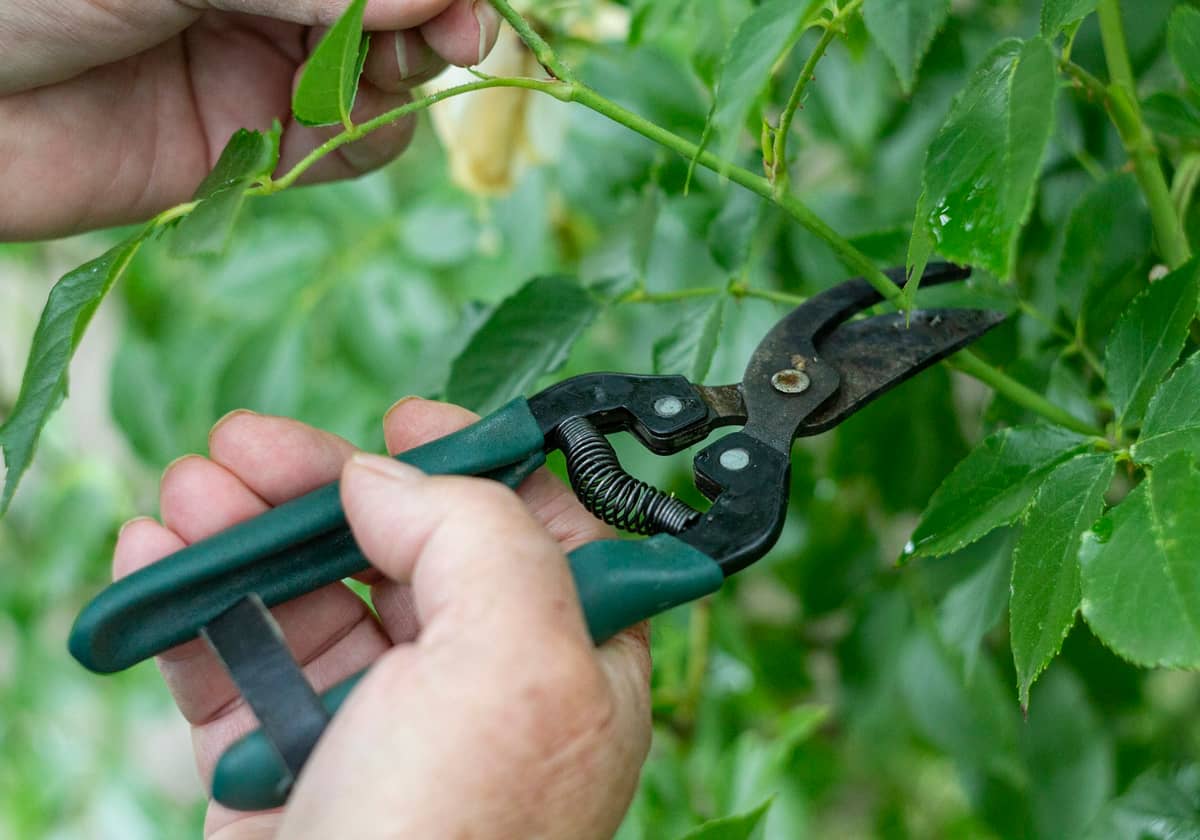
What a spring pruning covers
Dead and damaged wood
Branches that died over winter or cracked under snow come out first, each cut back to healthy wood the tree can seal over.
An open canopy
Crossing and crowded branches are thinned so sun and air reach the middle of the tree. Fruit in the shade ripens poorly, and leaves that stay wet invite disease.
Water sprouts and suckers
The straight shoots growing up from the branches and out of the roots are taken off. They crowd and shade the tree, and they rarely bear fruit.
The cleanup
Every branch we cut leaves with us when the job is done. You won't be left raking up prunings.
Fruit trees in Cache Valley yards
Fruit tree pruning is for anyone with fruit trees in the yard, from one apple tree by the fence to a small backyard orchard. It suits young trees that need shaping in their first few years, older trees that have gone years without a cut and are thick with suckers and water sprouts, and trees that bloom well and still give small or few fruit.
Fruit has grown in this valley for a long time, and plenty of Logan, Providence and Hyrum yards still have an old apple or two out back. Apples and pears are the most common. Cherries, plums and the odd peach or apricot turn up as well, often planted by an earlier owner and never pruned since.
Each kind wants slightly different cuts, and most backyard owners don't know which variety they have. That is normal. Tell us what you know, such as when it blooms and when the fruit ripens, and we'll work out the rest by looking at the tree.
Why spring, before the buds open
In a valley with winters as long as Cache Valley's, fruit trees are best pruned late in the dormant season, from late winter until just before the buds open. The worst cold is behind them, every branch is bare and easy to see, and the tree starts closing its cuts as soon as it begins to grow.
Prune in fall or early winter and those fresh cuts have to face the coldest months of the year. Stone fruits such as cherry, plum and apricot are the most sensitive to this, which is why they go last, right before the buds swell. That is why we do fruit trees in spring.
After a very hard winter, tell us. Some years the buds or the young wood on tender trees are killed by the cold, and it can pay to wait a few weeks to see what survived before deciding how much to take.
Pruning for a better crop
A fruit tree that is never pruned grows into a crowded tangle. It sets small fruit at the ends of long branches, often out of reach, and a heavy crop can split a limb that was never thinned. Fruit in the shaded middle of the tree stays small and ripens late, if it ripens at all.
Cutting a tree hard all at once brings a flush of upright shoots and little fruit. A steady pruning each spring keeps the tree open, the branches sound and the fruit where you can reach it. A tree that carries a lighter crop of bigger fruit each year is also less likely to swing between a huge harvest one year and almost nothing the next.
Shaping the tree
Apples and pears are usually grown with one strong central trunk and tiers of side branches around it. Plums, peaches, apricots and tart cherries do better with an open centre, shaped like a vase, so sun gets into the middle. Which shape a tree gets depends on its kind, and on the shape it already has.
On an apple or pear, the short, stubby spurs along older branches are where the fruit forms. Those are left alone. The long, straight shoots that rise from the top of a branch are what come out.
A young tree is trained as it grows. Three or four well-spaced scaffold branches at wide angles from the trunk will carry fruit for decades, and choosing them early avoids big cuts later. If you have just planted a tree, the first pruning is a light one.
Bringing an old tree back
A tree that has gone ten years without pruning is usually crowded with water sprouts, crossing limbs and dead wood. It can almost always be improved, but not in one visit. Taking out too much at once pushes the tree into growing even more water sprouts.
The usual plan is two or three springs. The first takes out dead and damaged wood and the worst of the crowding. The second and third open the canopy further, bring the height down to something you can pick from, and select the branches that will carry the crop.
Height is a real issue on old trees. Fruit that grows 20 feet up the tree feeds the birds. Lowering the top over a few years, by cutting back to side branches that already point outward, brings the harvest down to a ladder you can climb safely.
What you can do before we come
Leave the tree alone in fall and early winter, and skip the pruning paint, which the tree doesn't need. In late winter, walk around it and look for dead branches, broken limbs and any dried fruit still hanging on. Dried-up fruit left on a tree over winter can carry disease and pests into the new season, and it can come off by hand.
If you remember which branches carried fruit last summer, mention it, or photograph the tree in leaf and in fruit. A summer photo helps a great deal when we look at the same tree bare in March.
What a visit looks like
Ask for a quote over the winter, by call, text or the quote form, and name the trees, so the work can be done in spring before the buds open. We come out, look at each tree with you and tell you what it needs. You get a free written quote with a price before any work starts, and nothing to sign.
The pruning is done in one visit, or spread over the springs a neglected tree needs, and when we leave the branches and prunings leave with us.
Where we work
We prune fruit trees in Logan and the towns around it across Cache Valley.
Questions people ask
When is the best time to prune fruit trees in Cache Valley?
In spring, late in the dormant season and before the buds open. That is when we prune fruit trees.
Which fruit trees do you prune?
Fruit trees, in spring. Apples and pears are the most common in valley yards, followed by cherries and plums. If you aren't sure what you have, or yours is something unusual, say so when you call and we'll look at it on the visit.
Can an old, overgrown fruit tree be brought back?
Often, yes, but not in one visit. Taking out too much at once pushes the tree into growing water sprouts, so an overgrown tree is usually brought back over two or three springs.
How much will you cut off my tree?
Usually a good deal less than people expect. On a tree that has been pruned before, it is mostly thinning and removing sprouts. On a neglected one, we spread the work over a few years.
Will pruning reduce my fruit?
Not for long. A tree pruned back too hard can skip a crop the first year while it recovers. After that, the tree sets less but larger fruit that gets more sun.
My tree is covered in thin upright shoots. Is that a problem?
Those are water sprouts, or suckers if they come from the roots. They shade the tree and rarely bear fruit. They come out at the spring pruning.
Do you prune young fruit trees?
Yes. A young tree is trained for its first few years so its main branches are strong and well spaced. Early pruning is light and saves a lot of cutting later.
How much does fruit tree pruning cost?
It depends on the trees, so there is no flat price list. We look at what needs doing and give you a free quote, with a written price before any work starts. Call (435) 232-2638 or send the quote form.
Do you clean up after pruning fruit trees?
Yes. Everything we cut leaves with us.
More from RedBud Plant Care
Tell us what your yard needs
Quotes are free and there’s nothing to sign. Send the quote form, or call or text and talk it through.