
Landscape and garden design in Logan, Utah
RedBud Plant Care does landscape design and garden planting for beds, borders and raised beds in Logan and across Cache Valley. Every plant is picked for the spot it's going into: the light it actually gets, the soil under it, and a valley with a short growing season.
What we plan and plant
Garden and flower beds
New beds laid out and planted, or tired ones replanted, with each plant matched to its spot.
Raised beds and vegetable gardens
Raised beds built and planted, and vegetable ground tilled and set out in rows. Both are in the photos on this page.
Pollinator gardens
Beds planted with flowers that feed bees and butterflies, like the pollinator garden in our gallery.
Trees and shrubs in the plan
Young trees and shrubs placed where they will have room when they are full grown, like the front bed in our gallery.
Larger plantings
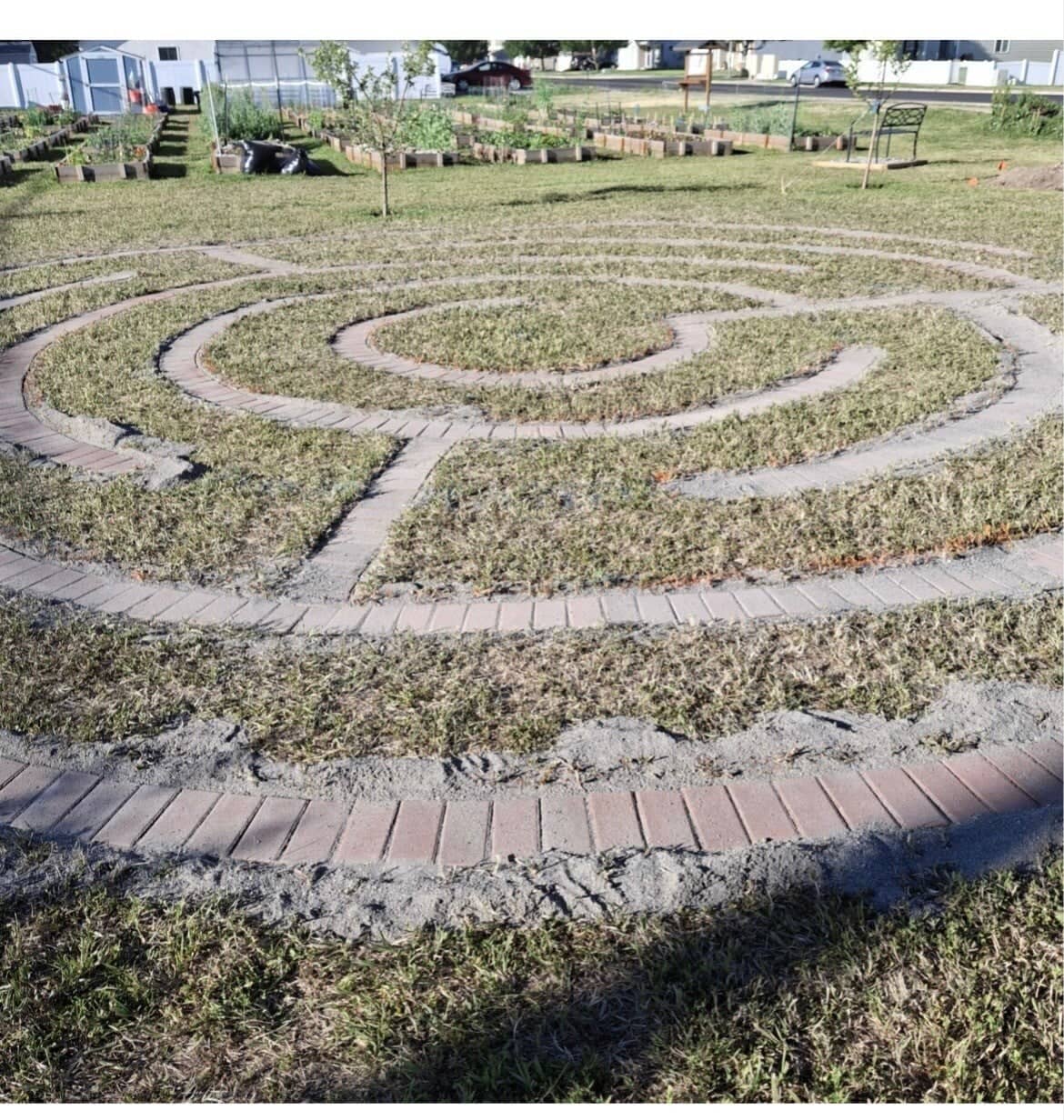
Designed plantings beyond the backyard, like the garden labyrinth we designed and planted in a Cache Valley park.
The ground first
Beds are prepared before anything goes in, with compost and amendments worked in where the soil needs them.
Who this is for
Garden design and planting is for anyone starting a bed from scratch or starting over. That might be a new house with bare ground around it, an old bed full of plants that never did well, or a family that wants to grow its own vegetables.
It also suits shared spaces, like the park where we laid out and planted a garden labyrinth. Large or small, the questions are the same: what will grow well here, and how much care will it need?
How a design starts
It starts with a walk around the yard, with you. We note which parts get full sun, which get morning sun only and which sit in shade for most of the day, because a plant in the wrong light never does well. We look at how the ground drains, what the soil is like and where the water comes from, since a yard on canal water plants differently from one on a drip system.
Then we ask what you want from the space. A bed that is mostly for looking at is a different plan from a bed for cutting flowers, a border that hides a fence, or ground for vegetables. We talk through how much care you want to give it. A garden that needs weekly work suits some people and not others, and the plan should fit you.
From there you get a plan and a written price. Beds are laid out with sizes and spacing in mind, so the garden looks right when the plants are full grown and not only the day they go in.
To begin, call, text or send the quote form with a note on the area and what you're picturing. The quote is free and there is nothing to sign. Once you agree to the plan, we prepare the ground first, working in compost and amendments where the soil needs them. Then the plants go in and get mulched, and everything left over is hauled away.
Plants that suit Cache Valley
Winters here are cold and long, which leaves a short growing season, and the plants we choose have to finish their year inside it. Hardy perennials, shrubs and trees carry a garden from year to year, and annuals fill the gaps.
Which plants suit alkaline soil is a long list. Many natives and hardy ornamentals handle it without complaint, while plants that demand acid soil, such as blueberries, rhododendrons and many azaleas, will yellow however much they are fed. We pick from the first list, and where you really want a plant from the second, we say what it would take.
Much of the valley's soil is heavy with clay as well. Clay holds water and packs down hard, which is why beds here are prepared before anything is planted. Choosing the right plant for the spot does more for a garden than anything done after it is in the ground, and we judge a planting by how it is doing five years on.
Mature size matters as much as hardiness. A shrub that grows to eight feet doesn't belong two feet from a window. Planting at the right distance now saves cutting back later.
Raised beds and vegetable gardens
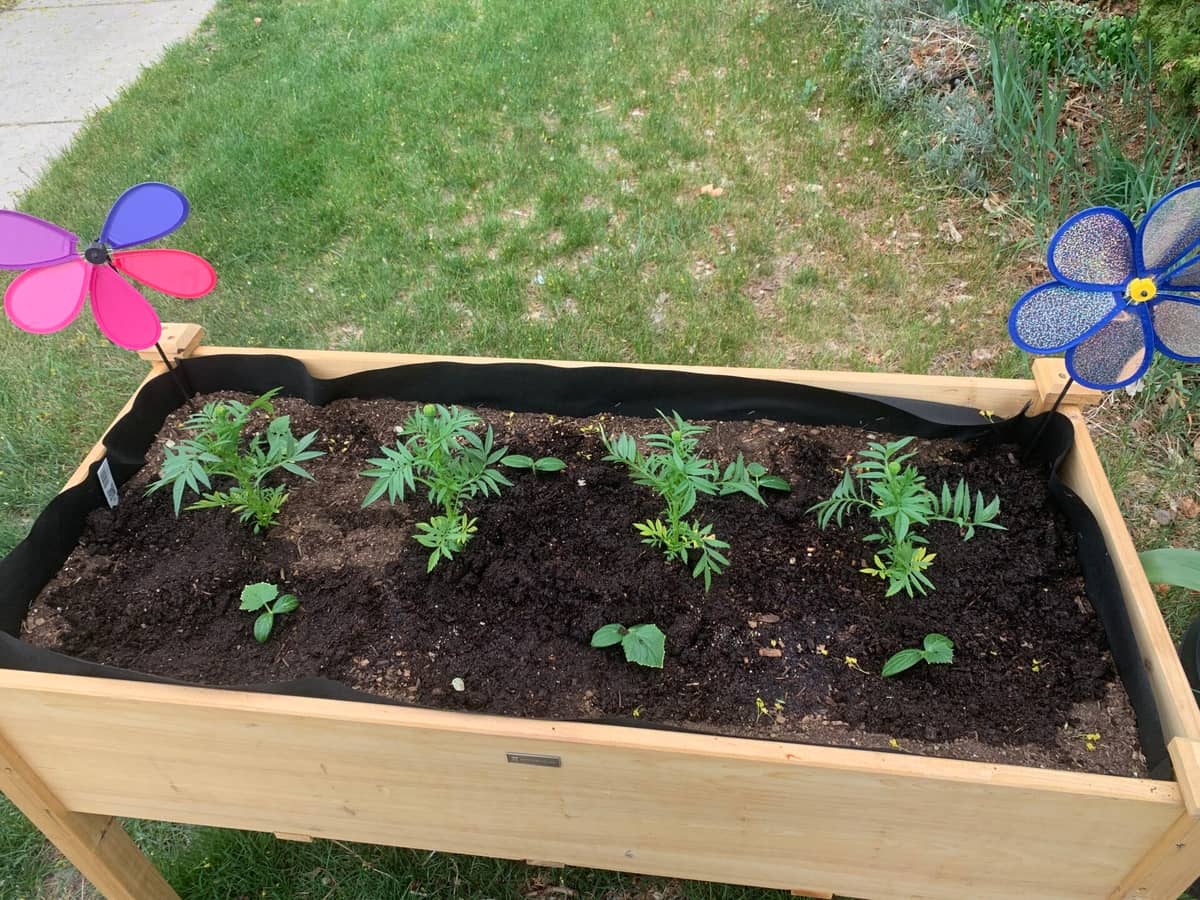
Raised beds warm earlier in spring and drain well, which suits a short season, and they put the soil at a height that is easier on your back. They are filled with good soil and compost, so plants start in loose, fertile ground whatever is under the lawn. The raised bed in the first photo on this page is one we built and planted.
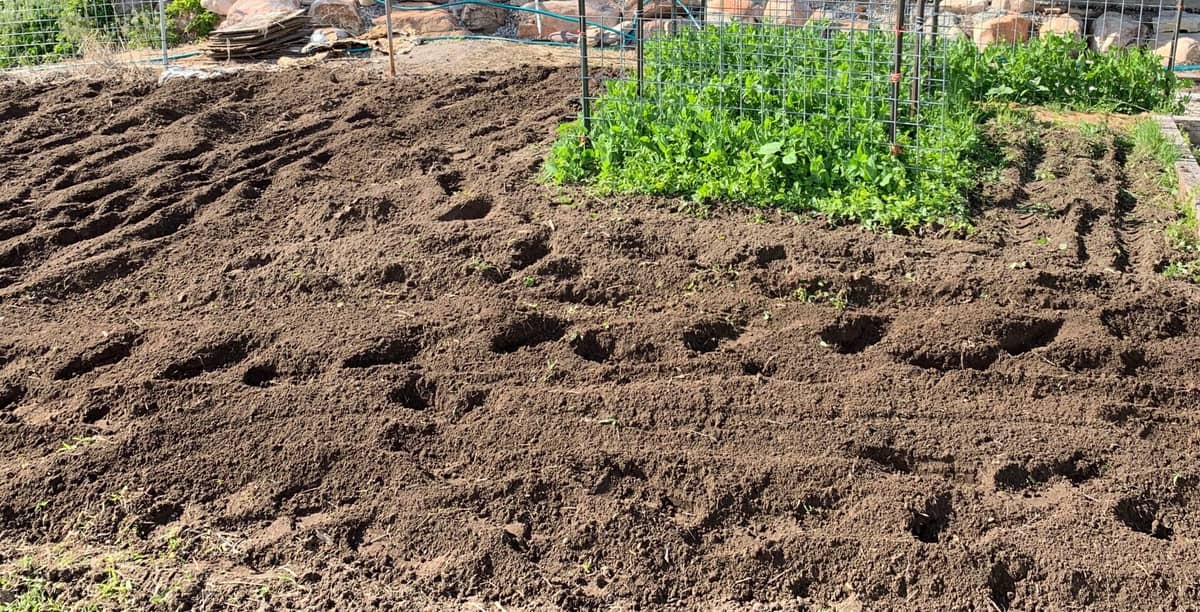
A conventional vegetable garden is tilled, amended and set out in rows, as in the photo of freshly tilled rows. Which crops go in when depends on the weather. Cool-season crops such as peas, lettuce and spinach can go in early. Tomatoes, peppers, squash and beans wait for the last frost to pass, and often until the soil has warmed.
Tell us what you like to eat and how much sun the spot gets. The plan follows from those two answers.
Pollinator and flower beds
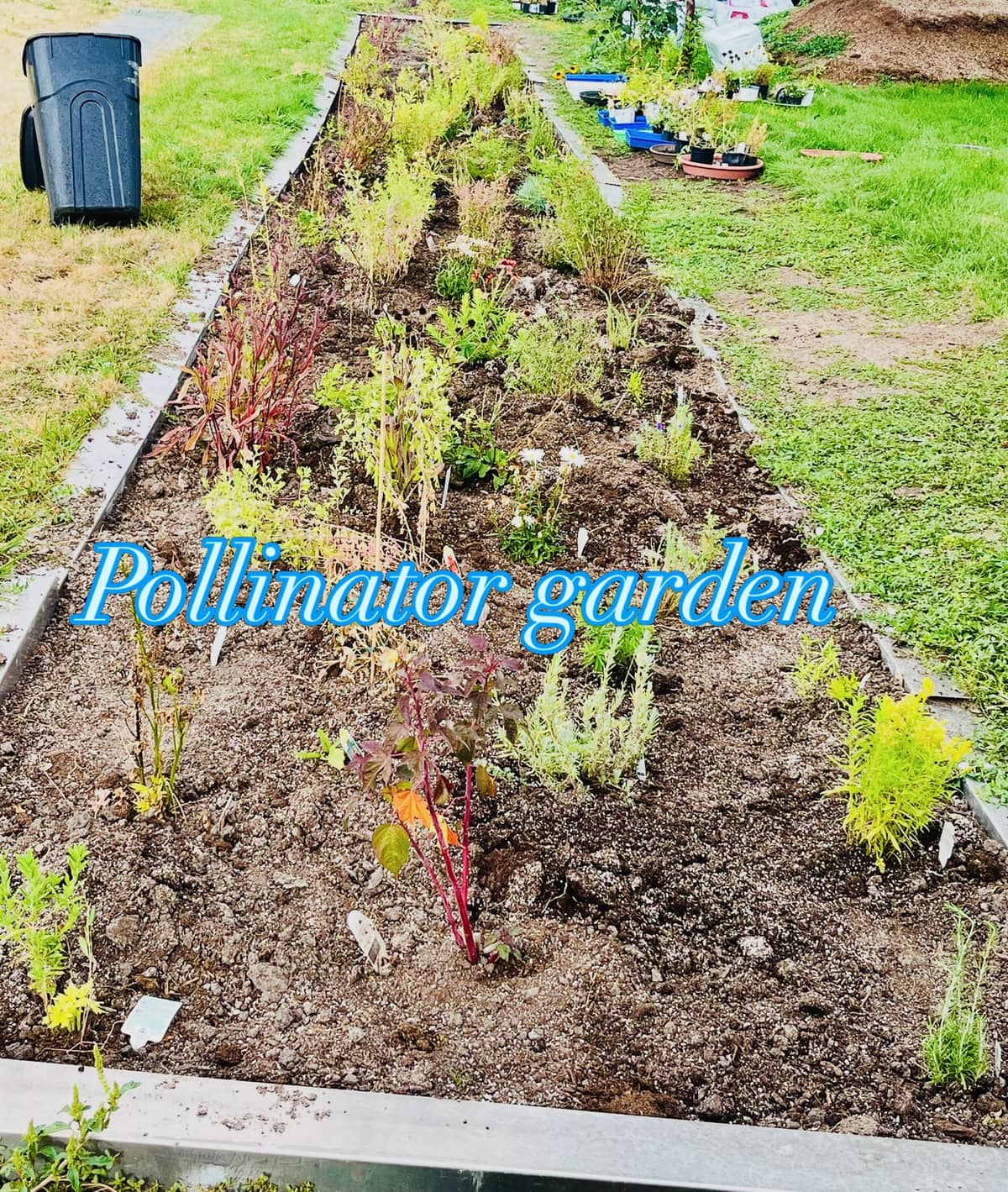
A pollinator bed is planted so that something is in flower from spring to the first frost, which keeps bees and other insects fed all season. The photo of the long raised bed with young flowering plants shows one newly planted.
For flower beds in general, we group plants that like the same conditions, put the tall ones at the back or the middle and the low ones at the edge, and repeat a few plants through the bed so it looks planned and not scattered.
Larger plantings
A design doesn't have to be a backyard. One of our projects is a circular garden labyrinth, laid out in stone and plantings in a Cache Valley park, which is in the photos here. Larger plantings use the same method as a small bed: the site, the soil, the water and what will last.
We don't pour concrete or build retaining walls. If your plan needs a patio, a wall or paving, that part goes to a hardscaping company, and we plant around it.
When to plant in Cache Valley
Logan sits at about 4,500 feet. The last spring frost usually comes around the middle of May, and the first hard frost usually arrives in late September or early October. That is a short window, so timing matters.
Most flowers and vegetables go in once the danger of frost has passed. Trees, shrubs and perennials also do well planted in early fall, while the soil is still warm and the air has cooled, which gives their roots a few weeks to settle before winter. Anything planted in mid-summer needs extra water through the hottest weeks.
Planting well, and the first two summers
A plant goes in no deeper than it grew in its pot, with the root flare at the soil line. Planting too deep is among the most common reasons trees and shrubs fail in a way no watering fixes. The hole is wide, not deep, and the soil is firmed gently, then watered in and mulched.
The first two summers decide whether a plant takes. Roots are still reaching out, so new plants need deep, regular watering through dry weather while established ones do not. Most plants settle in after one summer, and trees and larger shrubs need the extra care for two. A layer of mulch holds the moisture in.
We'll tell you how often each new planting needs watering, and what to look for when it is thirsty.
Gardens we've planted
Beyond the photos on this page, the gallery shows a front bed we cleared down to bare soil and rebuilt with young trees and new plants among boulders.
Where we work
We design and plant gardens in Logan and the towns around it across Cache Valley. A new planting does best with good soil under it and a little care after, so these pages go together.
Questions people ask
Do you build patios or retaining walls?
No. Hardscape like concrete, patios and retaining walls is a different trade. We do beds, plants, mulch, soil, and the trees and shrubs around them.
Can you plant a vegetable garden?
Yes. We till and prepare the ground, build and plant raised beds, and set out vegetable rows. Both are pictured on this page.
How raised bed installation worksWhich plants do well in Cache Valley?
Ones that put up with alkaline soil and cold winters and can finish their year inside a short season. Which ones depends on your spot, which is why we look at the yard before recommending anything.
When is the best time to plant in Cache Valley?
For most flowers and vegetables, after the last frost, which usually comes around the middle of May. Trees, shrubs and perennials also do well in spring and in early fall, while the soil is still warm.
Can you redo a bed that already has plants in it?
Yes. We look at what is there, keep what is doing well, and replace what is struggling or in the wrong spot. The ground gets prepared before the new plants go in.
How deep should I plant a tree or shrub?
No deeper than it grew in its pot, with the root flare where the trunk widens at the soil line. Make the hole wide, not deep.
How long do new plants need extra watering?
Through the first summer for most plants, and through the first two for trees and larger shrubs, with deep, regular watering in dry weather. A layer of mulch helps hold the moisture in.
Can you design a pollinator garden?
Yes. A pollinator bed is planted so something is in flower from spring to the first frost. One we planted is pictured on this page.
Will deer eat what you plant?
In the foothill neighbourhoods they often do. We lean toward plants deer tend to pass over, and young trees need their trunks protected for the first few years.
How much does a garden design and planting cost?
It depends on the size of the area and the plants, so there is no flat price list. We look at the yard and give you a free quote, with a written price before any work starts. Call (435) 232-2638 or send the quote form.
More from RedBud Plant Care
Tell us what your yard needs
Quotes are free and there’s nothing to sign. Send the quote form, or call or text and talk it through.