
Soil amendment and enrichment in Logan, Utah
RedBud Plant Care does soil amendment and enrichment in Logan and across Cache Valley, because most plant problems in northern Utah start underground. We work out what your soil is short of, then fix that with compost, mulch and amendments matched to your ground.
What soil work covers
A look at your soil
We check the soil when we walk the property, alongside how the plants growing in it are doing. What we find decides the fix.
Compost
Compost worked into beds to build organic matter, which helps heavy ground drain and light ground hold water.
Mulch
A layer of mulch over the beds to hold moisture through dry summers, keep roots cooler and keep weeds down.
Tilling and bed prep
Ground tilled and readied for a new garden or bed, with amendments mixed in before anything is planted.
Raised beds
Raised beds filled or refreshed with soil that drains well and feeds what you grow in it.
What to watch for
We tell you what we found and what you can do between visits, like how deep to water and when the mulch needs a top-up.
Who this is for
Soil work helps when plants keep struggling and nobody can say why. Leaves turn yellow, flowers are few, vegetables stay small, or water sits on top of a bed after every storm.
It matters just as much before anything new goes in. Ground around a newer house is often packed hard from construction, and a bed planted straight into it has a rough start. Vegetable gardens and raised beds lean on their soil more than anything else in the yard, so they gain the most from it.
Why soil comes first here
Cache Valley's soils are alkaline. In alkaline ground some nutrients, iron above all, are present but locked up where roots can't use them.
More fertilizer rarely fixes that. Building up organic matter, mulching, and choosing plants that cope with the soil you have usually do, and that work carries over from one summer to the next.
Much of the valley's soil is heavy with clay as well. Clay packs down hard, drains slowly and warms up late in spring. Compost opens it up, so water soaks in and roots can spread.
What alkaline soil does to a plant
In Logan the soil's pH runs from about 7.2 to 8.3, well above the slightly acid ground most garden plants prefer. The classic sign is leaves that are pale or yellow while the veins stay green. Maples, roses, raspberries and many fruit trees show it most.
Many gardeners try to lower the pH with sulfur. In valley soils that contain a lot of free lime, the effect is small and doesn't last, because the lime pushes it back up. Organic matter works on the problem from another side. It feeds the soil life that frees up nutrients, and it holds them where roots can reach.
Where a plant struggles year after year in the same spot, the answer is often a better-suited plant, and we'll say so. Compost isn't a substitute for the right plant in the right place.
Reading your soil
A soil check starts with a walk. How the plants are doing says a lot: which are yellow, which are stunted, where water sits after a storm and where it runs off. A handful of soil tells more: whether it crumbles or sets like a brick, whether it is sandy, silty or heavy.
Eric checks your soil on the visit, by how the plants are doing and by what the ground itself is like. For a precise answer you can also send a sample off yourself: Utah State University's analytical lab tests garden soil for pH, salts and nutrients for a modest fee, and results show what is lacking before money is spent on amendments.
Not every yard needs a lot done. If your soil is in decent shape, we will say so.
Compost and organic matter
Compost is the most useful thing that goes into most garden beds. In heavy ground it opens the soil so water drains and roots can breathe. In light, fast-draining ground it holds water that would otherwise run through. Both of those problems have the same answer.
For a new bed, a layer of two to three inches of compost is worked into the top six to eight inches of soil. In an established bed that is already planted, a thinner layer goes on top each year, as a mulch or worked in lightly between plants, so roots are not torn up.
Mulch
Mulch is a ground cover that works for the soil. Two to three inches of wood chips, bark or compost keeps the soil cooler, slows its drying, and blocks the light weeds need. As it breaks down it adds organic matter, so a mulched bed builds soil slowly with no digging.
Mulch stays a few inches back from trunks and stems. Piled against bark it holds moisture there and invites rot. A bed usually wants a top-up every year or two.
Tilling and preparing new ground
A new garden bed or vegetable plot is prepared before anything goes in. The ground is tilled when it is workable, which means damp but not wet, since tilling wet soil leaves hard clods. Compost and any amendments the soil needs are mixed through, and the surface is raked level.
Over-tilling does harm too. Chopping the same ground into dust every year breaks down its structure. For an established bed, adding compost on top and leaving the soil alone does better than turning it over each spring.
Raised beds are filled with a mix of good soil and compost, rather than the native ground below, so they start out loose and fertile.
When to do soil work
Fall and early spring are the best times. In fall, compost and mulch go on while the soil is still warm, and the winter's moisture works them in. In early spring, beds are prepared as soon as the ground can be worked and before planting. Mulch can go down in spring once the soil starts to warm, or in fall to protect roots over the winter.
Soil work is also a good companion to the other jobs. A bed that is being replanted, a tree going in, or a garden that has been tired for years is the right moment to improve the ground under it.
What a visit looks like
Call or text, or send the quote form, and tell us what the ground is doing or what you are seeing in the plants. We walk the property with you, check the soil and the plants growing in it, and tell you what it needs and what it doesn't. You get a free written quote with a price before any work starts.
Then we work in compost and amendments, till where a new bed needs it, mulch, and haul away what is left over. We also tell you what to watch for, so you can see whether the fix is working.
Soil we've built
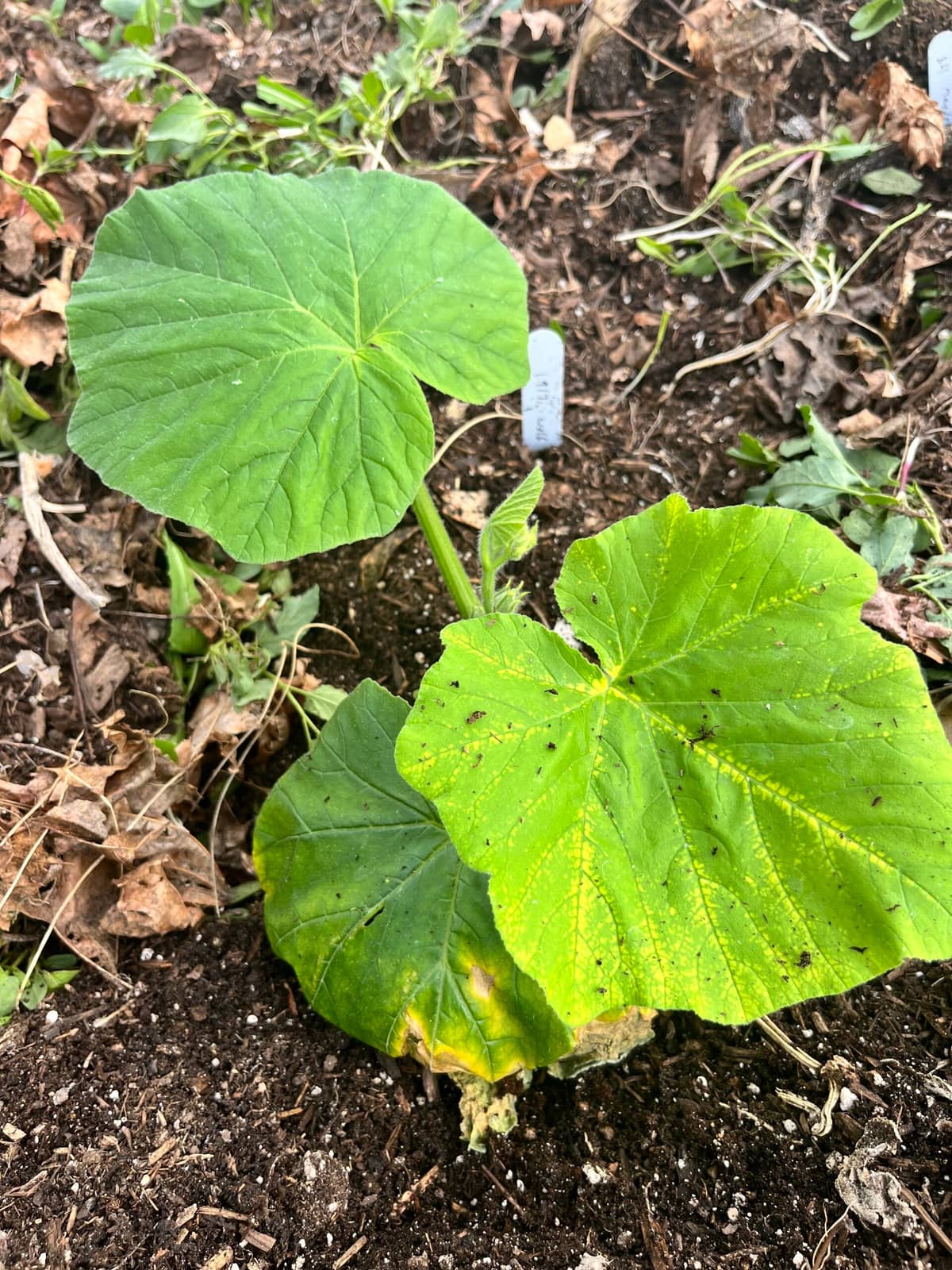
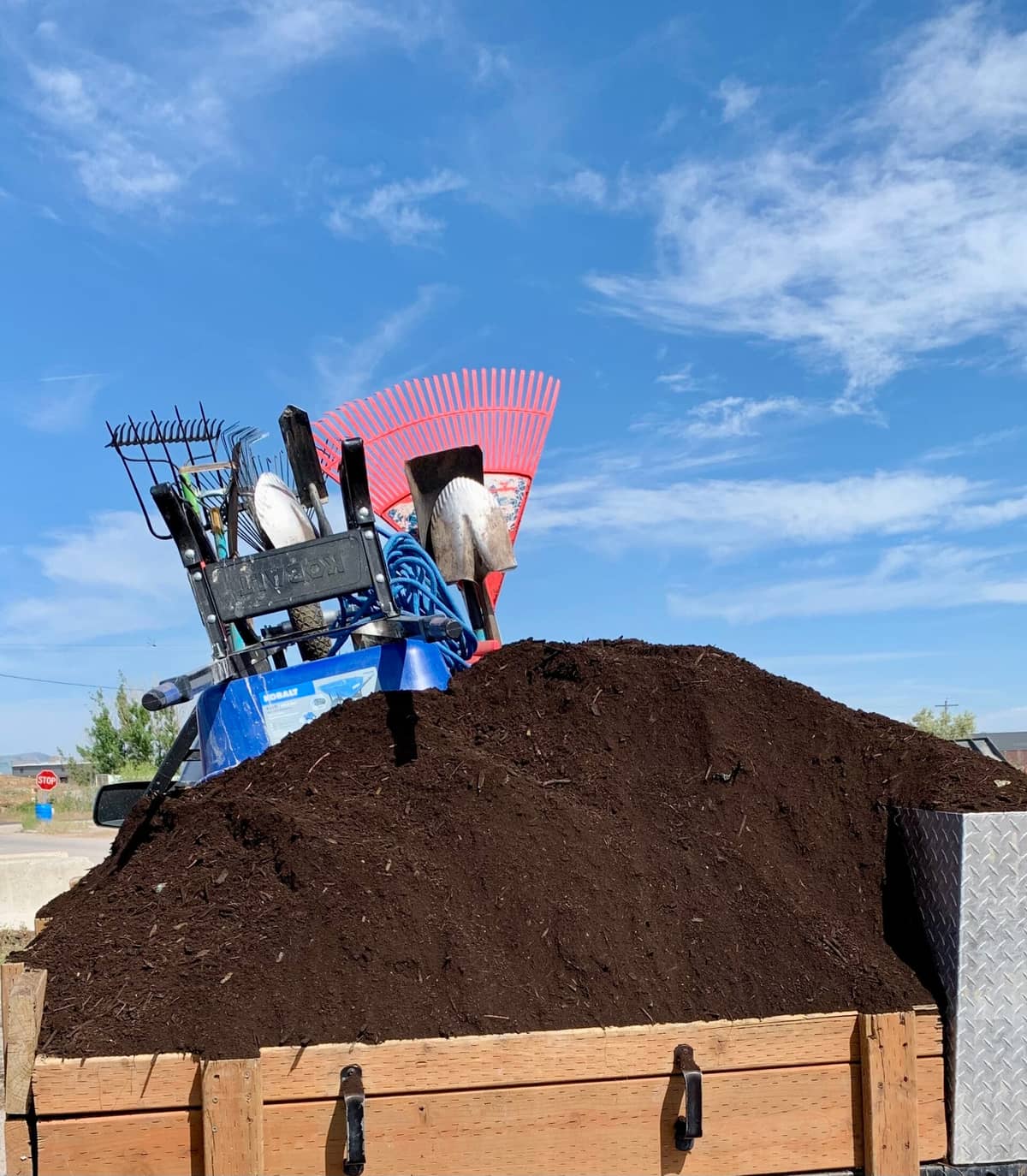
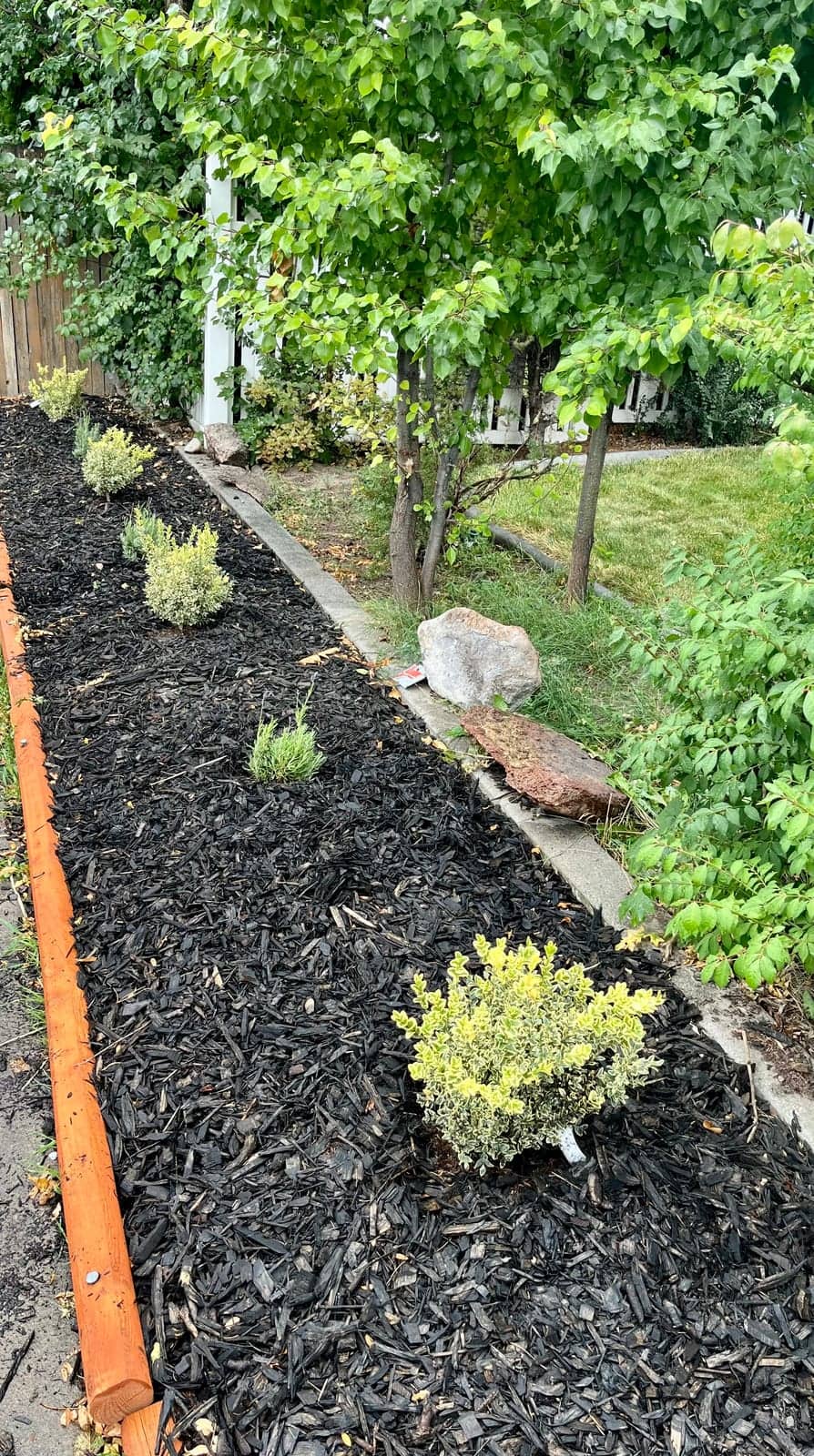
The photos on this page are from our own jobs. Young plants are coming up in dark soil we enriched and mulched. The truck bed is loaded with compost and mulch, with the rakes and shovels that go with it. The long bed was planted, edged and mulched.
Where we work
We do soil work in Logan and the towns around it across Cache Valley. Good soil is where planting starts and what bed care keeps up, so these pages go together.
Questions people ask
Can you get a new garden ready to plant?
Yes. We till the ground, work in compost and whatever amendments it needs, and leave it ready to plant, or plant it for you.
How often do beds need new mulch?
Mulch breaks down as it feeds the soil, so beds usually want a top-up every year or two. We'll tell you when yours is due.
Is soil work worth it in an established garden?
Often, yes. If plants have struggled for years in the same bed, the soil is the first place we look. Sometimes the answer is compost and mulch; sometimes it's moving a plant to ground that suits it.
Why are my plant's leaves yellow with green veins?
That pattern is usually iron chlorosis: there is iron in the soil, but its high pH locks it up so roots can't take it in, and too much water can make it worse. Compost, mulch and plants that suit alkaline soil help far more than extra fertilizer.
Should I lower my soil's pH with sulfur?
In most Cache Valley soils the effect is small and short-lived. Building organic matter and choosing suited plants works better and lasts longer.
How deep should compost go?
In a new bed, two to three inches worked into the top six to eight inches of soil. In a planted bed, a thinner layer goes on top each year, as a mulch or worked in lightly.
Can I test my soil first?
Yes. Utah State University's analytical lab tests garden soil for a modest fee, and the results show pH, salts and nutrients. You send the sample yourself. Eric also checks your soil on the visit, and the quote covers what it needs.
Can clay soil be improved?
Yes, over time. Working in compost each year helps clay drain better, warm up sooner in spring and let roots spread. Mulch on top keeps the surface from crusting over in summer.
When is the best time to enrich soil?
Fall and early spring. In fall the compost and mulch go on while the ground is still warm. In spring, work starts as soon as the soil can be worked and before planting.
Does my garden need tilling every year?
Usually not. Tilling once helps break up packed ground for a new bed. After that, compost added on top each year gets worked in by roots, worms and water, which keeps the soil loose without breaking it up again.
How much does soil work cost?
It depends on the beds and what the soil needs, so there is no flat price list. We look at the ground and give you a free quote, with a written price before any work starts. Call (435) 232-2638 or send the quote form.
More from RedBud Plant Care
Tell us what your yard needs
Quotes are free and there’s nothing to sign. Send the quote form, or call or text and talk it through.