
Landscaping and tree care in Hyde Park, Utah
RedBud Plant Care does landscaping in Hyde Park, Utah, with trees, shrubs, garden beds and soil as the focus. Eric, a master gardener based in Logan, works on yards on both sides of the canal, where some homes water from the ditch and about a third water with drinking water. Below is what that, the deer and the frost mean for your yard.
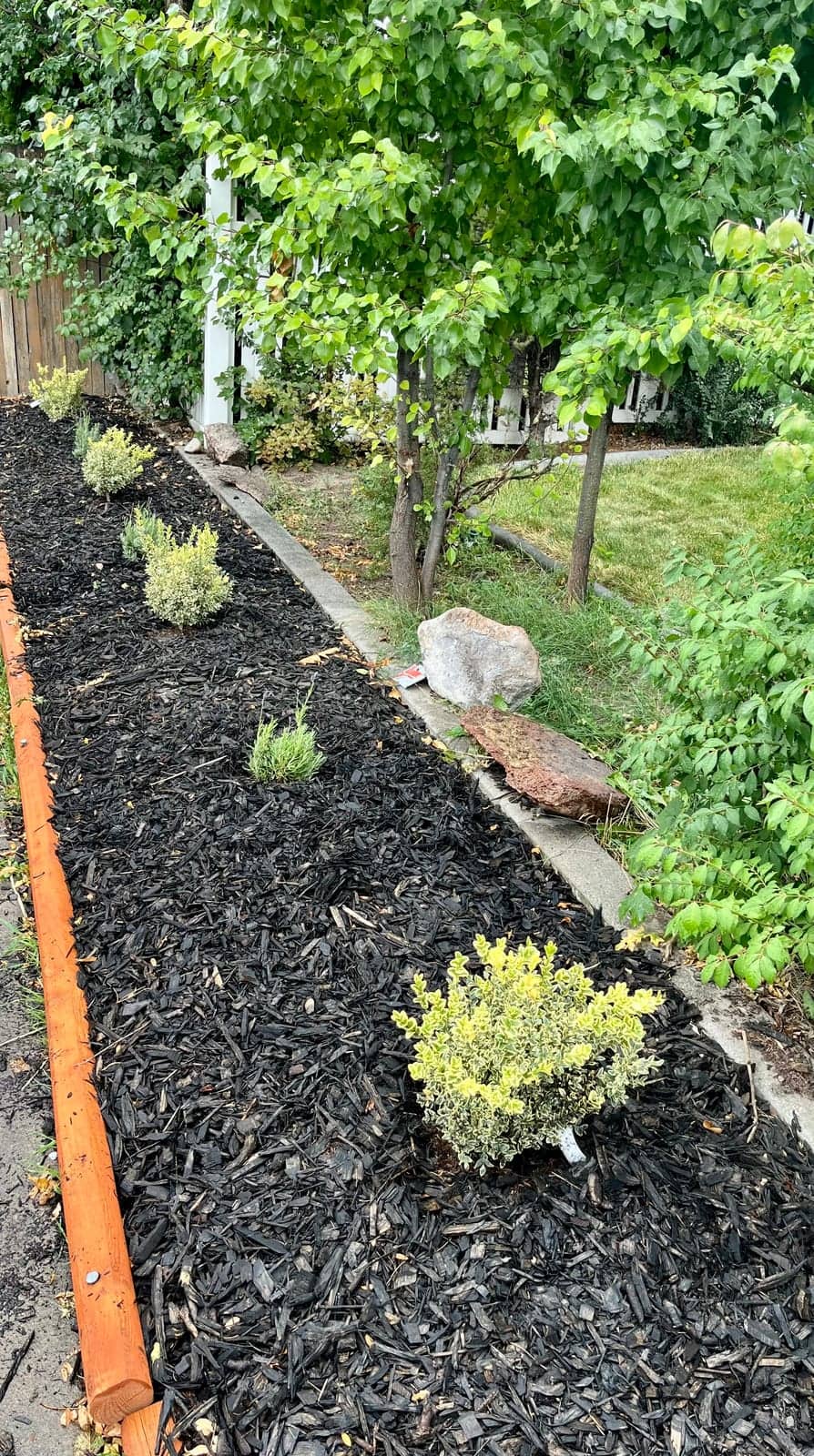
What shapes a Hyde Park yard
Above or below the canal
In July 2021 the mayor said about a third of residents water outdoors with drinking water, because their homes sit above the canal that carries secondary water. If that is your lot, every long soak shows on the bill, so beds and new trees should be planned around it.
A small spring supply
The city's drinking water came from a spring in Birch Creek and three storage tanks. When residents cut lawn watering in 2021, the tanks refilled overnight. A yard can stay healthy on less water with mulch, drip lines and plants chosen for dry summers.
Farm ditches under new homes
The Crockett Avenue Irrigation Company serves 11,050 acres, and much of that land has changed from farms to houses. A federal plan with Hyde Park as a sponsor proposes a pressurized secondary system for its shareholders. Ask the city what applies to your lot.
Urban deer
In March 2025 Hyde Park was working with North Logan and the Division of Wildlife Resources on an urban deer control plan. State rule R657-65 requires such a city to ban feeding deer. USU Extension says deer browse yards mostly in winter, so young trunks need guards before snow.
Alkaline soil
USU Extension says Utah soils average a pH of 8.0, and the lime in them is the main cause of iron chlorosis: yellow leaves with green veins. Maples and many ornamentals show it first. A soil test tells you where you stand before you spend money on amendments.
Young yards, owner-occupied
Census-based figures for Hyde Park's ZIP code put about 71 percent of homes as built in 2000 or later and more than nine in ten as owner-occupied. Many trees here are under 30 years old. The first years of pruning decide how they grow.
Watering a Hyde Park yard on canal water or city water
Start by finding out which water your lot gets. Homes below the canal can use ditch water for the yard. Homes above it use the same water that comes out of the kitchen tap, and in July 2021 the mayor asked residents to cut outdoor use by half. Rules and dates change from year to year, so check the city's current page before you plan.
On drinking water, the cheapest garden is one that needs little help. Two to three inches of mulch keeps the soil cool and slows evaporation. Water deeply and less often so roots go down instead of staying near the top. Group plants that want the same amount of water, so one thirsty shrub does not set the schedule for the whole bed. New trees still need steady water for their first seasons, and that water is worth the cost.
Pruning around Hyde Park frost, cold air and wind
Cache Valley fills with cold air like a bathtub. The Utah Geological Survey explains that cold air settles into basins when no wind stirs it, and the valley floor is slow to warm. USU Extension lists Logan's average last frost as May 14 and first fall frost as September 25, about 135 frost-free days. Treat Hyde Park the same way and wait for the soil to warm before setting out tender plants.
Wind matters too. A strong windstorm out of the east once uprooted trees in Hyde Park, North Logan and Logan, with gusts near 54 miles an hour. Trees with crossing limbs, dead wood or a heavy lean toward the house are the ones that fail. A trim in the dormant season removes that weight before the wind tests it.
Fruit trees follow their own calendar. Extension planning sheets for northern Utah point to mid-February for apples and pears and mid-March for stone fruit, and you cut when the buds are still closed.
Protecting young trees from Hyde Park deer
Hyde Park and its neighbor to the north took up an urban deer plan because deer live in town all year. Under state rule, a city with such a plan has to ban feeding deer, so do not set out feed, even for birds, in a way deer can reach.
USU Extension advises burlap or trunk guards for woody plants, repellent, and fencing in severe cases. Damage can also come in summer during a drought, when wild food dries up. Put guards on new trees at planting time and leave them on for the first few winters.
Plant choice helps, and USU Extension advises choosing plants deer tend to avoid. A planting plan can put the tender plants close to the house and the tougher ones along the edge, where a nibble does less harm.
Soil under former farmland
A lot of Hyde Park sits on ground that was farmed until the canal company's service area filled with houses. When a farm field becomes a lot, a new yard can end up with thin soil over packed subsoil, so look at what is under the surface. Compost worked into planting beds adds organic matter, and mulch on top feeds the soil as it breaks down.
Because the lime in local soil raises pH, plants that want acid ground struggle here. If a maple turns yellow between green veins, test the soil before you buy iron products. USU notes that for raised beds and small planting areas, bringing in soil that has no lime can be the most practical fix.
What to do first in a Hyde Park yard
Walk the yard in late winter with a notebook. Mark dead or crossing limbs, any tree leaning toward the roof, and young trunks that have no guard. Find out which water your home uses, since that decides how thirsty a new bed can be.
Next, send a soil sample to a lab if a plant looks yellow or a bed never does well. A sample costs little and saves you from guessing. Then plan the order of the work: pruning while trees are dormant, planting once the soil has warmed, and bed work through the summer.
In fall, rake and clear leaves and spent growth before the snow so they do not mat down the beds. Then call Eric for a free quote and a walk through the yard.
Questions people ask
My Hyde Park home is above the canal. How should I water new plants?
You are watering with drinking water, and in 2021 the mayor asked residents to cut outdoor use by half. Mulch the bed two to three inches deep, water deeply and less often instead of a little every day, and keep thirsty plants together. Check the city's current page for watering rules.
When should I prune my apple tree in Hyde Park?
Extension sheets for northern Utah suggest mid-February for apples and pears, and mid-March for stone fruit. The rule is to cut while the tree is dormant and the buds are closed. A cold, late spring can push that back a few weeks.
Will deer eat the trees I plant?
They can, mostly in winter. USU Extension recommends trunk guards or burlap on young woody plants, repellent, and plants deer avoid. Hyde Park has an urban deer plan, and state rule requires a city with one to ban feeding deer.
Why are my maple's leaves yellow with green veins?
That pattern is iron chlorosis. USU Extension says Utah soils average a pH of 8.0 and carry lime, which locks up iron. Get a soil test first. In small beds, replacing the soil can work better than repeated iron products.
Is Hyde Park getting a new secondary water system?
A federal plan for the Logan River canals lists Hyde Park as a sponsor and proposes a pressurized secondary system for Crockett Avenue Irrigation Company shareholders. Ask the city or the company where your street stands before you change your watering.
Do you work in Hyde Park?
Yes. Quotes are free. Call or text (435) 232-2638, or send the quote form, and Eric comes out to walk the yard with you. Eric is based in Logan, a few miles south on Highway 91.
What RedBud does in Hyde Park
Tell us what your yard needs
Quotes are free and there’s nothing to sign. Send the quote form, or call or text and talk it through.