
Tree and garden care in Providence, Utah
RedBud Plant Care works on Providence yards, from old fruit trees on the bench to new lots with bare beds. Eric, a master gardener based in Logan, prunes fruit trees, shade trees and shrubs, designs and plants beds, adds compost and mulch to soil, keeps beds tidy, does seasonal cleanup and removes trees that have to go.
What shapes a Providence yard
A delta at a canyon mouth
Providence sits near 4,695 feet on a delta at the mouth of Providence Canyon. USU geologists call the Bonneville deltas along the valley coarse-grained, and Cache Valley gravel pits are dug into delta and shoreline sediments. A shovel test shows how stony your own lot is.
Fruit and berries on the bench
A USU thesis on the Providence Bench from 1940 to 1980 describes a small-fruit-and-berry economy that was once a large part of the town's identity. If your yard came with an old fruit tree or berry patch, it will need regular pruning to bear well.
Ditches before wells
Ditches from Spring Creek and the Blacksmith Fork carried water to Providence from its start in 1859, says a USU Libraries exhibit. Wells were rare until late in the 20th century. Ditch or canal water may still reach some lots, so find out which water your yard gets.
Half the homes are newer than 2000
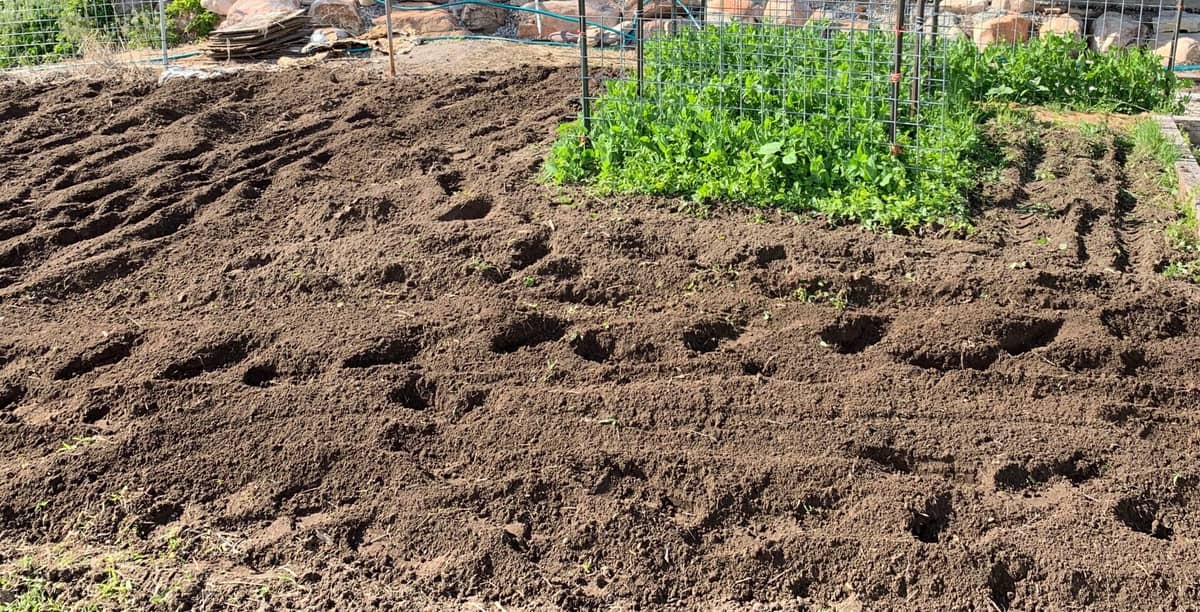
Census estimates say about half of Providence homes were built in 2000 or later, and only 6.8 percent before 1960. About two in three residents moved in since 2010. Soil around new houses is often packed hard by construction, so young yards need work below ground first.
Green waste every week
The city picks up curbside green waste weekly, from March 30 through November 20 in 2026, weather permitting. The bin takes grass, leaves, branches, shrubs and garden waste. It turns away rocks, dirt, sod and anything over 6 feet long.
Foothill fire rules
Providence adopted a wildland-urban interface code on December 17, 2025. The city has no fire department of its own and contracts with Logan City for fire protection. Homes near the foothills do better with cleared ground and trimmed lower limbs.
Pruning fruit trees on the Providence Bench
Fruit trees are pruned in spring, late in the dormant season and before the buds open. USU's fruit specialist says to wait until the risk of severe cold has passed, because pruning can cost the remaining branches a little cold hardiness, and to stop if single-digit cold is forecast. Dead, broken or rubbing branches can come out at any time. Eric opens the tree to light and air, and the prunings leave with us.
USU says local commercial orchards sit on benches because cold air drains off a bench into the low ground below, and that a bench yard usually has a longer growing season. A late frost can still catch blossoms some springs. A tree left alone for years crowds its own branches and shades its fruit, so it is brought back over two or three springs.
Park strips, corners and the city tree list
Providence allows trees in park strips wider than 4 feet. Trees are spaced 25 to 30 feet apart, and the city recommends a trunk 2 inches across at planting. Choices come from the city's Parking Strip Tree List, which the Streets page links to. Grass, ground cover, perennials, bark, wood chips and gravel are all allowed in the strip.
City code makes the abutting owner responsible for the strip, including pruning and removing its tree. Branches and shrubs that overhang the street or sidewalk must be cut back so they do not block walkers, cars or a driver's view. At corners, nothing should block sight lines from 2 to 8 feet above the road, except tree trunks and poles under 12 inches across. A planting plan for a strip starts with its width, so the design fits these rules.
Which water your Providence yard runs on
Providence began at a spring on Spring Creek in 1859, and ditches from the creek and the Blacksmith Fork carried water to town. Today a yard can run on city drinking water, ditch or canal water, or the city's secondary irrigation system, depending on the street. The city's Public Works office can tell you which one you have.
On city water, the base charge covers the first 10,000 gallons a month for a standard meter, and use above that is billed in steps at higher rates. Check the city's current utility page for rates. Deep, less frequent watering over mulched beds keeps use down. If you already have an underground sprinkler system, the city says state plumbing code requires a backflow preventer tested each year. A planting plan starts from the water the yard has and how often it can run.
Green waste, big limbs and cleanup season
The weekly green waste bin is optional and billed monthly on the utility bill. It does not take gravel, painted or treated wood, tree root balls, or anything over 6 feet long or 36 inches across. The city has no green waste dumpster at the Public Works building, so extra goes to the Green Waste Facility at the Logan Landfill. Check the city's current page for each year's dates.
That list shapes a cleanup plan. Spring wake-up and fall cleanup fit the bin season, while large limbs and root balls need another route. RedBud hauls away what it prunes or pulls.
Dry leaves, dead wood and stacked firewood add fuel near a house. USU's foothill guidance says nothing flammable within 5 feet of the walls and lower limbs off trees so fire cannot climb. Ask the city office which parts of the wildland-urban interface code apply to your lot.
New lots, shared grounds and winter snow
With half the homes built since 2000, many Providence yards are in their first years. Compost worked into packed soil and mulch on top give new trees a better start. Planting and design for a bare lot begins with the light, the soil and how the family will use the space.
The city says people in apartments, townhomes and condos connect utilities through their HOA, so common beds and trees there are the HOA's to approve. If your lot has a storm water pond, you maintain its vegetation, trash and debris.
Winter parking rules run from November 15 or the first measurable snow through April 15. The city plows by priority, and ordinary residential streets come fourth. Plowed snow often lands on park strips, so plants at the street edge should be sturdy.
Questions people ask
When does green waste pickup start in Providence, and what goes in the bin?
The city's 2026 schedule runs weekly collection from March 30 through November 20, weather permitting. The bin takes grass, leaves, branches, shrubs and garden waste. Rocks, dirt, sod, root balls, treated wood and anything over 6 feet long or 36 inches across stay out. Check the city's current page for dates.
Which trees can I plant in my Providence park strip?
The strip has to be wider than 4 feet. Trees go 25 to 30 feet apart, and the city suggests a trunk 2 inches across at planting. Pick from the city's Parking Strip Tree List. As the abutting owner you also keep the strip clean and prune the tree. Check the city's current list before you buy.
Do I have to trim a bush that hangs over the sidewalk in Providence?
Yes. City code says vegetation that overhangs or grows into the street, curb, gutter or sidewalk must be cut back so it does not block people or cars. At corners, nothing should block a driver's view from 2 to 8 feet above the road. Failing to keep up a park strip is a code violation.
The house came with an old apple tree. When should I prune it?
Prune in spring, late in the dormant season and before the buds open. USU's fruit specialist says to wait until the risk of severe cold has passed and to pause if single-digit cold is forecast. A tree left alone for years does better with smaller cuts over two or three springs than one hard cut.
Do I need to clear my Providence yard for wildfire?
Providence adopted a wildland-urban interface code in December 2025, and the city contracts with Logan City for fire protection. USU advises nothing flammable within 5 feet of the house, lower limbs removed from trees, and 20 feet between tree canopies farther out. Ask the city office what applies to your lot.
How do I find out which water my Providence yard gets?
Call the city's Public Works office. Your lot may run on city drinking water, ditch or canal water, or the city's secondary irrigation system. On city water, use above 10,000 gallons a month is billed at stepped rates. Knowing the source helps decide how often to water new plants.
What RedBud does in Providence
Tell us what your yard needs
Quotes are free and there’s nothing to sign. Send the quote form, or call or text and talk it through.