
Tree and garden care in River Heights, Utah
RedBud Plant Care looks after yards in River Heights, the small city on the bench above the Logan River. Eric, a master gardener based in Logan, prunes shade trees and shrubs, plants and designs beds, works compost and mulch into the soil, keeps garden beds up through the season, does seasonal cleanup and removes trees that have to go.
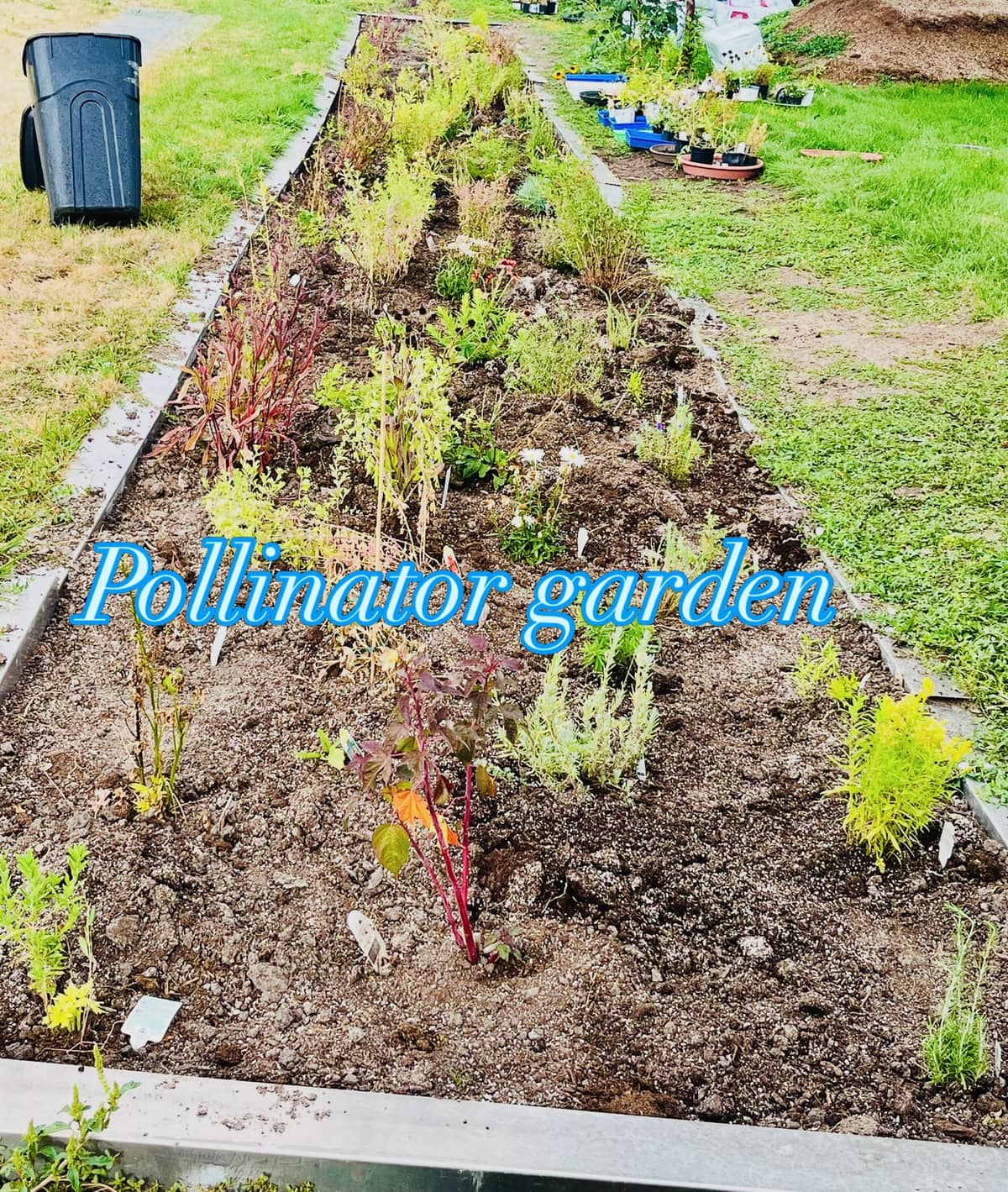
What shapes a River Heights yard
Dry Town and a drought well
The city's General Plan says early settlers found the bench dry, which earned it the name Dry Town. It became a town in 1934 so it could take a federal grant to drill an irrigation well during the 1930s drought.
Gravel under the city center
The plan maps most of the city center on Lake Bonneville delta gravel, pebbles and cobbles in sand. Water drains through it fast, so beds dry out quickly and compost and mulch matter more than on heavy ground. The same plan found no shrink-swell clay soils.
Tree-covered slopes at the edge
Steep slopes separate the upper terrace from the Logan River and the Riverdale neighborhood. The plan says they are covered with trees and vegetation, and city zoning asks for extra care with building on slopes steeper than 25 degrees. Roots hold that ground, so cuts and removals near the edge deserve a careful look.
Most yards water from the tap
About 80 percent of the city's water connections irrigate with drinking water, the General Plan says. It also says Providence-Logan Irrigation Company water has sub-irrigated the city and grown its trees for over 100 years. Knowing which source feeds your yard sets how you water.
A park strip rulebook
City code asks for a street tree about every 30 feet, allows trees only in strips at least 4 feet wide, and keeps them 15 feet from a hydrant. Fruit and nut trees are barred from park strips. The owner next door waters, prunes and maintains the tree.
Older homes, settled owners
Census estimates say 14.5 percent of River Heights homes were built in 1939 or earlier and about 35 percent before 1960. Ninety percent of occupied homes are owner-occupied, and 98 percent are single houses. Many yards have had decades to grow in.
Pruning the old trees on the upper terrace
With about a third of the homes built before 1960, River Heights has many big trees that have grown for decades. Most structural pruning is best done while a tree is dormant, from late winter into early spring. Dead or broken limbs can come out any time. Eric prunes to the way each tree grows, so the cuts heal.
City code gives two clearances you can check from the sidewalk. Branches over a sidewalk must be at least 7 feet up, and branches over the street at least 14 feet up. Limbs that touch power lines are a job to call about before anyone climbs.
In the heavy snow winter of 2023, the city's flood page listed managing downed trees, foliage and green waste among the ways to protect a home from flooding. A spring cleanup that clears fallen limbs from low spots and gutters fits that advice.
Planting a River Heights park strip by the code
The code asks for live plants over at least a third of a residential park strip. Shrubs there should stay under 3 feet tall when grown, and thorny plants are out. Stone, gravel and mulch together can cover less than 67 percent of the strip, and boulders must stay under 18 inches.
Street trees come in three size classes. Small trees can go in strips 4 feet wide or more, medium trees need 6 feet, and large trees need 10 feet. Medium and large trees stay out from under power lines. The city's Tree Selection and Planting Guide, kept at the city office, lists trees for each class, and root barriers are recommended. Rock holds summer heat, so the code advises keeping hard mulch 3 feet from a street tree unless it is irrigated.
Watering a yard when most of the city uses drinking water
The General Plan counts 684 residential connections served by three wells, and says about 80 percent use drinking water on their landscape. It also notes that July and August use brings the reservoirs close to the limit of their storage.
Mulch over a bed keeps soil moist longer, and deep, less frequent watering sends roots down. A planting plan groups plants with similar water needs, which the city's own code asks for. The code defines xeriscaping as native and drought-tolerant plants with ground cover or mulch, covering at least 30 percent of the ground when grown. Rock alone does not count.
The state's Utah Water Savers program pays by the square foot to swap grass for waterwise landscaping, and not every area qualifies yet, so check the program page for your address.
Gravel soil, a river edge and what goes on the ground
Delta gravel lies under the city center. Riverdale, the low part by the river, sits on floodplain gravel. The plan also maps sand and silt near the new elementary school and a small patch of fine lake deposits east of 700 South. Gravel drains fast and holds little, so compost in the beds and mulch on top help hold water. Utah soils average a pH of 8.0, USU says, and at that level leaves can turn yellow between green veins from lack of iron. Plants that tolerate alkaline ground are the easy fix.
City code bars sterilants and weed killers that stop plants growing unless the city approves in writing, and aquifer protection areas can carry limits on chemicals. The city's storm water page adds that lawn fertilizer and pesticides wash into storm drains and on to local rivers. Compost, mulch and hand weeding keep a bed clean with less to wash away.
Frost, deer and a first season in a new bed
USU lists the average last spring frost in Logan as May 14 and the first fall frost as September 25, about 135 frost-free days. It adds that benches usually run warmer than low spots where cold air drains and pools. That suggests the upper terrace for earlier planting and Riverdale for caution. Squash, tomatoes and peppers go in at least a week after the average last frost.
The city's own history says deer made winter trails from the foothill swales down to the river. USU reports that mule deer move down from the mountains in late November and browse yards, and that male deer rub antlers on trunks in fall. Trunk guards are cheap, burlap keeps winter browsers off shrubs, and a fence has to stand about 10 feet tall to stop a deer.
Questions people ask
How tall can shrubs be in my River Heights park strip?
The code says shrubs and other plants in a residential park strip should stay under 3 feet tall when grown, and plants with thorns or spikes are not allowed. Live plants should cover at least a third of the strip. Check the city's current code or call the city office before you plant.
Who has to prune the tree in the park strip in front of my house?
The owner of the adjacent property waters, prunes and maintains it, city code says. Branches must clear a sidewalk by 7 feet and the street by 14 feet. If roots lift a sidewalk, the code lets you ask the city office to look at fixes, and it weighs safety, drainage and budget. We can do the pruning.
Can I plant a fruit tree by the curb?
Not in the park strip. City code bars fruit and nut trees from park strips and from the 5 feet next to a city street. Plant the apple or cherry inside the yard instead, where the fruit stays off the road. Street trees there should come from the city's Tree Selection and Planting Guide.
Why are my leaves yellow with green veins?
That pattern is usually iron chlorosis. USU says Utah soils average a pH of 8.0, and high pH locks iron away from roots. Most iron products fail in this ground. Plants that tolerate alkaline soil, compost, and watering that avoids soggy roots help more. A soil test tells you how high the pH is.
Will deer eat the new trees and shrubs on the River Heights bench?
They can. The city's history notes deer trails from the foothills to the river, and USU says deer browse yards in winter and rub trunks in fall. Trunk guards protect young trees, burlap wraps protect shrubs through winter, and a planting plan can favor plants deer pass over.
Do you work in River Heights?
Yes. Quotes are free. Call or text (435) 232-2638, or send the quote form, and Eric comes out to walk the yard with you. It helps to know whether your yard sits on the upper terrace or down in Riverdale, since the soil and the frost risk differ.
What RedBud does in River Heights
Tell us what your yard needs
Quotes are free and there’s nothing to sign. Send the quote form, or call or text and talk it through.